- (786) 876-9367
- 1501 Lenape Drive, Miami Springs, FL 33166
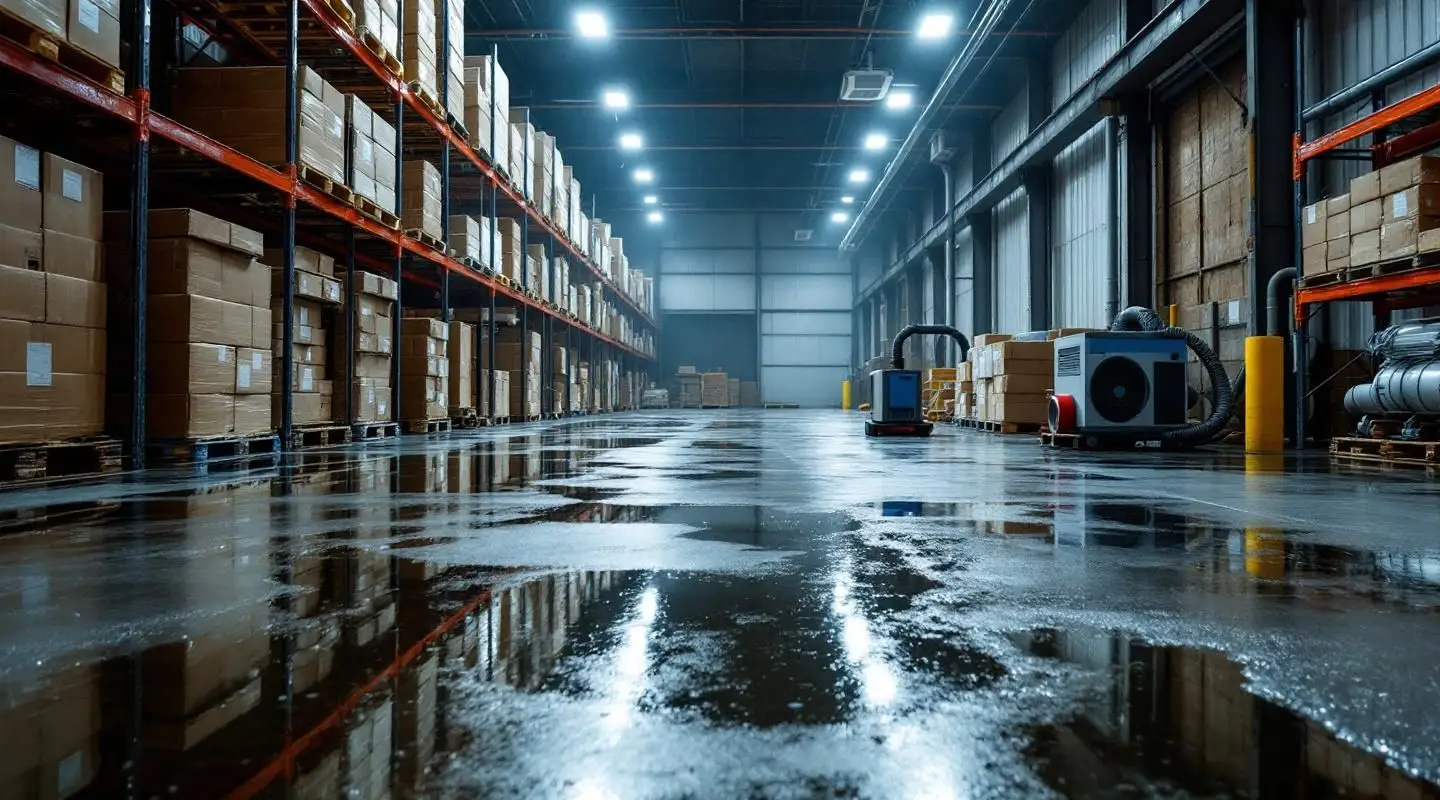
When a warehouse in Miami Springs faces a sudden water intrusion—whether from a ruptured supply line, a loading dock seal failure, or a roof breach during a tropical downpour—the clock starts ticking against your bottom line. You aren’t just dealing with a puddle; you are managing a logistical crisis where every hour of standing water increases the risk of inventory loss and structural compromise. In the high-ceiling environments of Miami-Dade industrial parks, water behaves differently, often migrating under heavy pallet racking or seeping into porous concrete slabs where it remains trapped long after the surface looks dry.
Our approach to Warehouse Water Damage Cleanup follows the strict IICRC S500 standard for professional restoration, focusing heavily on business interruption minimization. We start with comprehensive moisture mapping using thermal imaging to identify exactly where the water has traveled behind block walls and under equipment. If you are dealing with category 3 water intrusion from a sewage backup or storm surge, the protocol shifts immediately to aggressive sanitation and antimicrobial treatments to ensure your facility remains OSHA-compliant and safe for your floor staff. We don’t just mop up; we stabilize the environment.
The local climate in Miami Springs presents a unique challenge: our year-round relative humidity often stays above 70%, which can stall natural evaporation and trigger mold growth within 48 hours. To combat this, we use high-capacity desiccant dehumidifiers and industrial air movers that are sized for the cubic footage of a commercial bay, not a residential living room. Our experienced technicians understand that your priority is keeping the forklifts moving and the shipments on schedule. We work in phases when possible, cordoning off affected zones so your daily operations don’t have to grind to a complete halt.
Properly documenting the event for your commercial property insurance is just as critical as the physical extraction. We provide the detailed moisture-milestone schedules and inventory loss documentation that adjusters require to process large-scale claims. From the initial commercial water extraction to the final structural drying protocol, we focus on getting your facility back to a “dry standard” that protects both your building’s integrity and your company’s reputation.
When water hits your warehouse floor, the clock starts ticking against your bottom line. Whether it’s a loading dock water intrusion after a heavy Miami Springs thunderstorm or a massive pipe burst in the racking area, standing water doesn’t just sit there; it migrates into concrete slab joints and wicks into palletized inventory. You need more than just a basic cleanup crew. Professional commercial water extraction ensures that moisture mapping identifies exactly where the water traveled, even under heavy equipment or behind office partitions. By addressing forklift aisle flooding immediately, you prevent the slick surfaces and structural degradation that threaten daily logistics.
Our technicians follow the strict IICRC S500 standard to handle everything from clean pipe breaks to category 3 water intrusion involving sewage or storm surge. In the heavy humidity of Miami Springs, simple fans aren’t enough to dry out a large-scale facility. We deploy high-capacity desiccant dehumidifiers to pull moisture from the air and the building’s bones, preventing the secondary damage that often follows a flood. This aggressive structural drying protocol is what keeps your walls from warping and your metal components from corroding. You can learn more about our team and our specialized industrial equipment to see how we handle these high-stakes commercial environments.
Beyond the physical cleanup, the real benefit lies in the documentation. When you are dealing with a commercial insurance claim, having a professional moisture-milestone schedule and inventory loss documentation makes the difference between a full payout and a rejected line item. We provide the data-backed proof your adjuster needs. This level of thoroughness gives you the confidence to resume operations, knowing the job was done to code without cutting corners, ensuring your facility remains safe for your staff and your stock.
Inventory Loss Documentation — We provide detailed logs and thermal imaging to help you justify insurance claims for damaged stock.
Business Interruption Minimization — Our crews work in stages, allowing you to keep unaffected bays operational while we dry the rest.
Concrete Slab Drying — We use industrial-grade tools to ensure deep-seated moisture is removed from porous flooring before it ruins new finishes.
Mold Prevention Treatment — Applying antimicrobial agents immediately stops fungal growth in its tracks, a necessity in the South Florida climate.
OSHA Compliance — Every cleanup follows safety standards for wet environments, protecting your staff from slip-and-fall risks and electrical hazards.
The timeline for Warehouse Water Damage Cleanup in Miami Springs depends heavily on the volume of water and the building materials involved. Because Miami Springs experiences ambient humidity levels often exceeding 70%, natural evaporation won’t work. We typically implement a structural drying protocol that lasts between three and five days. For large facilities with forklift aisle flooding, we deploy industrial desiccant dehumidifiers to pull moisture from the air and concrete slab drying equipment to reach deep into the foundation. We use thermal imaging inspection daily to track moisture milestones. If we don’t hit specific dry-standard targets within the first 48 hours, we adjust the CFM of our air movers to prevent secondary inventory loss.
Yes, it is a legal and safety requirement. Any firm performing Warehouse Water Damage Cleanup in Miami Springs must hold a valid Miami-Dade County contractor license and carry specific commercial liability insurance. This is critical because industrial environments often involve complex electrical systems and high-piling storage that present unique risks. Furthermore, restoration work in Florida must comply with Florida Building Code Chapter 12 regarding moisture control. Hiring an unlicensed crew can lead to denied insurance claims and potential OSHA violations if safety protocols aren’t followed during the extraction and drying phases. Our team ensures every technician is trained to handle the specific rigors of an industrial site.
Accurate inventory loss documentation is the most important step for your financial recovery. During Warehouse Water Damage Cleanup in Miami Springs, we don’t just move boxes; we create a digital trail. We use moisture mapping to categorize which pallets were affected by Category 3 water intrusion and which were saved by rapid relocation. You will receive a detailed report including thermal images and moisture readings that prove the extent of the damage. This level of detail is what commercial adjusters look for when verifying a claim. We follow the IICRC S500 standard for every step, ensuring your documentation meets the rigorous requirements of major insurance carriers, which helps in business interruption minimization.
The category refers to the cleanliness of the water. Category 1 is ‘clean’ water from a burst supply line or a broken sprinkler head. Category 3 water, often called ‘black water,’ is highly contaminated and common in Miami Springs after heavy storms overwhelm local drainage systems. This includes storm-surge flooding or sewage backups. For Warehouse Water Damage Cleanup in Miami Springs, identifying the category is vital because Category 3 requires full PPE, specialized antimicrobial mold prevention treatment, and the disposal of porous materials like cardboard and insulation. You cannot simply dry out Category 3 water; you must decontaminate the entire area to ensure the facility is safe for your employees to return to work.
In many cases, yes. We understand that a total shutdown can lead to missed shipments and contract penalties. When we perform Warehouse Water Damage Cleanup in Miami Springs, we often use containment barriers to isolate the flooded loading dock or affected bays from the rest of your operations. This allows your team to continue picking and packing in dry zones while we run industrial dehumidification equipment in the wet zones. However, we must prioritize OSHA safety requirements. We manage cord placement to prevent trip hazards and monitor air quality if we are using fuel-powered extractors. We coordinate our moisture mapping and equipment checks around your peak shipping windows to keep your business moving.
Drying a massive concrete slab requires more than just standard fans. For effective Warehouse Water Damage Cleanup in Miami Springs, we use high-capacity commercial water extraction units to remove standing water from expansion joints and dock pits. Once the bulk water is gone, we deploy industrial desiccant dehumidifiers, which are far more effective than refrigerant models in large, open spaces. These units create extremely dry air that ‘pulls’ moisture out of the concrete. We also use high-velocity air movers positioned to create a vortex of airflow across the floor. This setup is monitored with moisture sensors to ensure we are meeting the structural drying protocol targets required to prevent long-term slab degradation or mold growth.
Don’t let a loading dock flood or a broken supply line stall your logistics. Every hour that moisture sits on your concrete slab increases the risk of Category 3 contamination and structural failure. We provide rapid commercial water extraction across Miami Springs to keep your inventory safe and your trucks moving. Delaying professional help often leads to expensive inventory loss that insurance might not fully cover if mitigation wasn’t immediate.
Our experienced technicians follow the IICRC S500 standard to ensure every corner of your facility is dry. We focus on business interruption minimization so you can get back to full capacity without the looming threat of secondary mold growth. We handle the documentation your insurer requires while you focus on hitting your shipping deadlines.
Prim Mold Cleaning stands as a locally owned and operated leader in Miami Springs, specifically structured to handle the high-stakes demands of industrial environments. Unlike national franchises that often rely on a rotating roster of subcontractors, our team consists of IICRC-certified technicians who live and work in Miami-Dade County. We understand that a flooded loading dock or a moisture-compromised concrete slab isn’t just a maintenance issue—it is a direct threat to your supply chain and bottom line. Our deep familiarity with local regulations and the Florida Building Code ensures that every structural drying protocol we implement meets the highest professional standards for commercial safety.
What truly sets Prim Mold Cleaning apart is our investment in industrial-grade infrastructure. We don’t just bring residential fans to a commercial site; we deploy high-capacity desiccant dehumidifiers and advanced moisture mapping technology to ensure your inventory and equipment are protected from secondary damage. Our experienced technicians are trained in the IICRC S500 standard, allowing us to execute rapid commercial water extraction that smaller “break-fix” shops simply cannot scale for. We prioritize business interruption minimization, working around your shift schedules to keep your forklift aisles clear and your operations moving.
We also recognize that for a Miami Springs logistics hub, downtime is the ultimate enemy. We provide the meticulous documentation and thermal imaging reports required by commercial insurance carriers, ensuring your claim is supported by hard data rather than guesswork. When you choose our team, you are choosing a partner dedicated to getting your facility back to pre-loss condition without unnecessary operational delays. We handle the technical complexities of industrial dehumidification so your facility management team can focus on fulfilling orders and managing staff.
Ignoring even a seemingly minor amount of water in a warehouse environment is a gamble with your bottom line. Unlike a residential leak, water in an industrial setting migrates rapidly across vast concrete slabs and seeps under heavy racking systems where it remains trapped. If you leave forklift aisles flooded or ignore moisture mapping, you aren’t just dealing with a puddle; you’re inviting structural degradation and Category 3 water intrusion risks. In the high-stakes world of logistics, a single day of downtime can trigger contract penalties that far outweigh the cost of professional commercial water extraction.
In Miami Springs, the clock ticks faster because our ambient humidity rarely drops below 70%. This moisture-heavy air prevents natural evaporation, meaning your facility won’t “just dry out” on its own. Without a rigorous structural drying protocol and the deployment of a high-capacity desiccant dehumidifier, you are almost guaranteed a mold outbreak within 48 hours. Our experienced technicians follow the IICRC S500 standard to ensure that moisture is pulled from deep within the building envelope, not just the surface. This level of precision is what separates a quick mop-up from a professional restoration that protects your long-term property value.
Beyond the building itself, the importance of this service lies in protecting your inventory and your reputation. Water damage isn’t just about wet boxes; it’s about the microscopic contaminants and humidity spikes that can ruin sensitive electronics or pharmaceutical stock. We focus on business interruption minimization by staging equipment to keep your loading docks operational while we work. Proper inventory loss documentation is also critical for your insurance claim, providing the forensic evidence needed to prove the extent of the damage. When you act fast, you shift the narrative from a catastrophic loss to a managed incident.
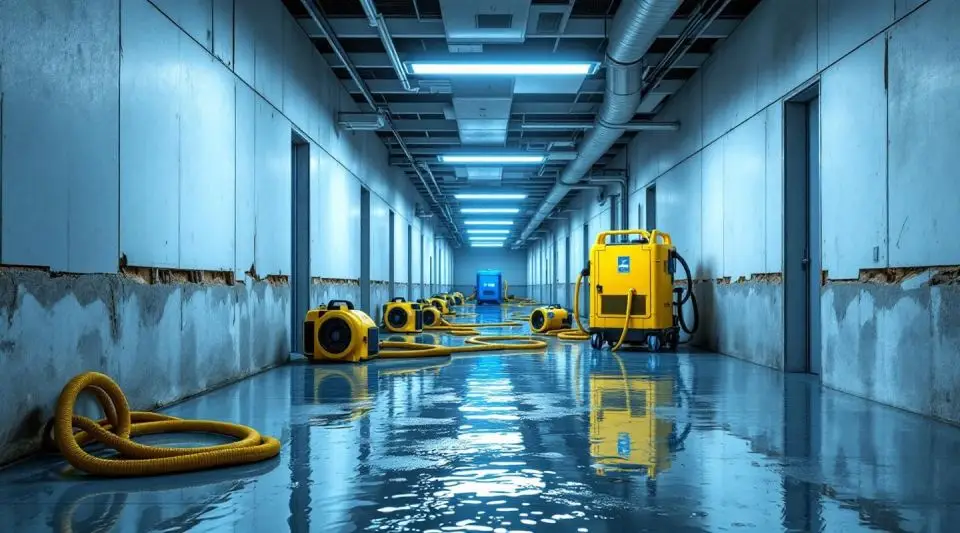
When a main line bursts or a tropical storm breaches your building envelope in Miami Springs, the clock starts ticking against your inventory, your electronics, and your structural integrity.
Learn more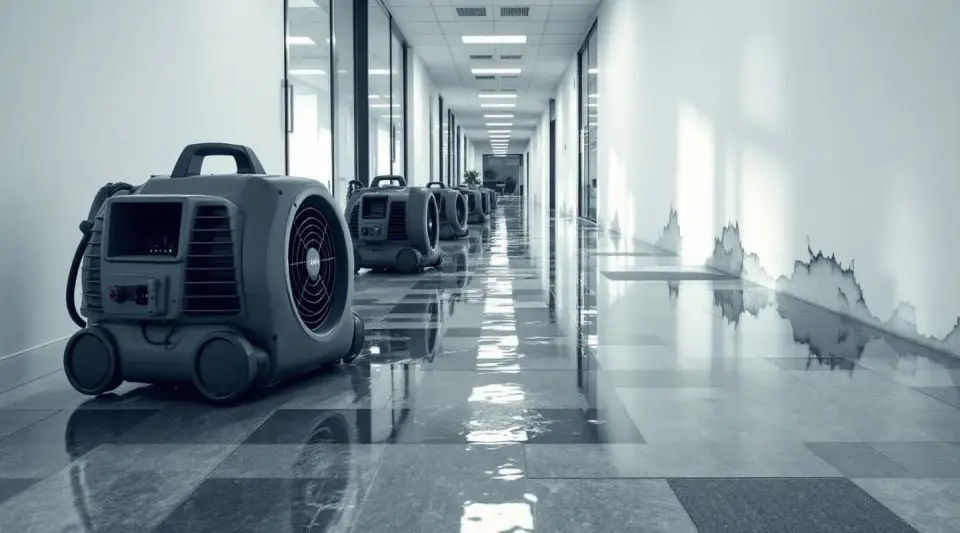
When a water main snaps or a tropical storm pushes through the building envelope of your Miami Springs commercial property, the immediate aftermath is a race against both the clock and the relentless Florida humidity.
Learn more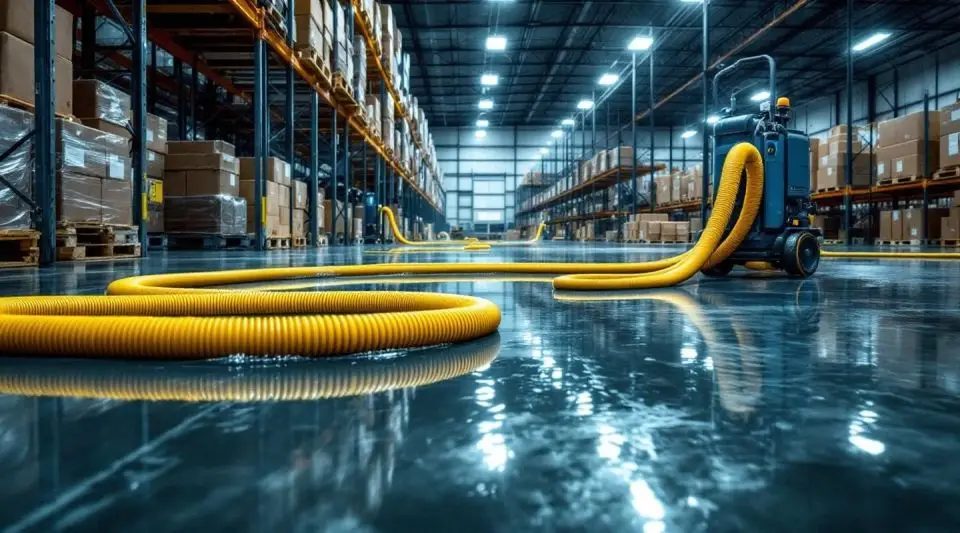
When a warehouse in Miami Springs takes on water, the clock doesn't just tick; it roars.
Learn more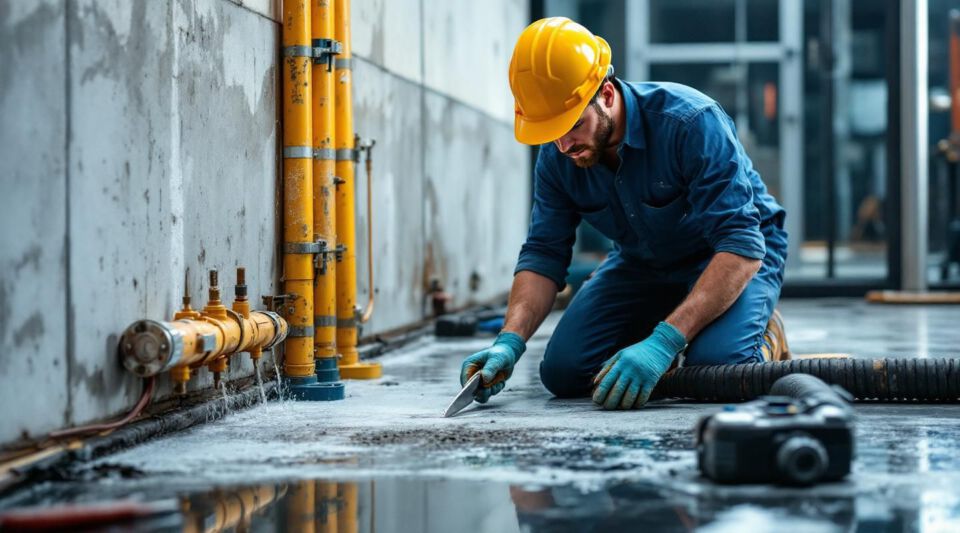
When a main water line ruptures on an upper floor of a Miami Springs hotel, the clock doesn't just start ticking on the physical structure; it starts ticking on your reputation and your bottom line.
Learn more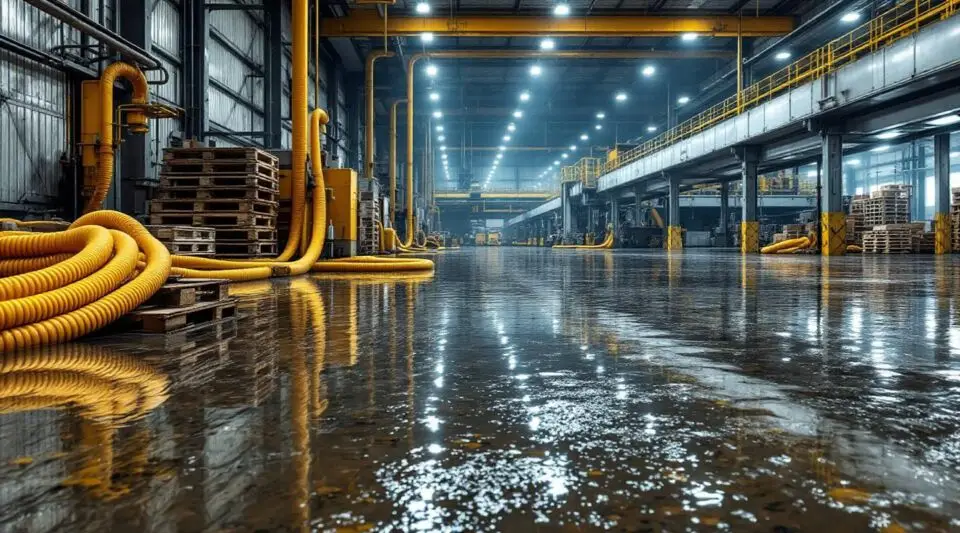
When a commercial facility in Miami Springs faces a sudden flood, the clock doesn't just tick; it drains your bottom line.
Learn more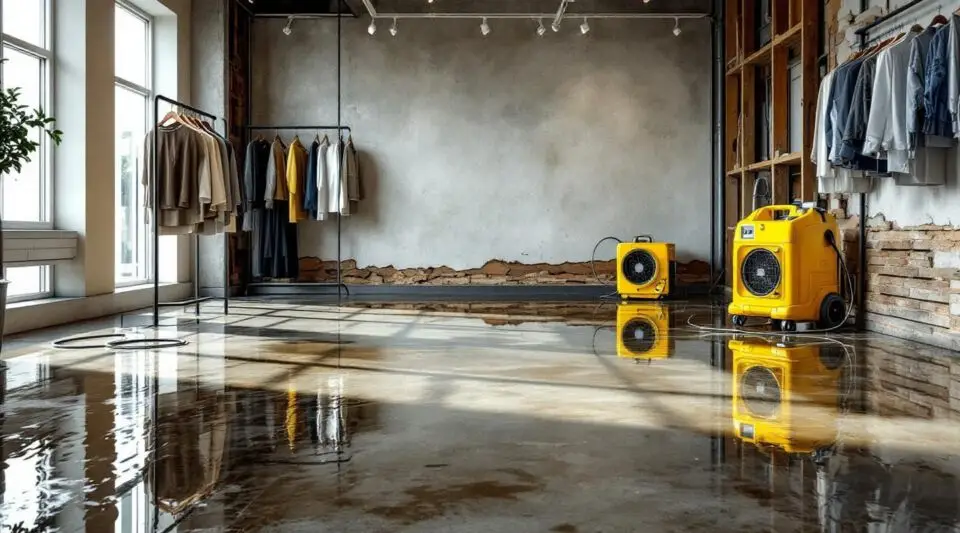
When a storefront in Miami Springs takes on water—whether from a sudden tropical downpour overwhelming the street drainage or a localized pipe burst—the clock immediately starts ticking against your bottom line.
Learn more
When a pressurized pipe failure occurs in a Miami Springs commercial facility, you aren't just dealing with a puddle; you’re facing a high-stakes race against structural compromise and massive inventory loss.
Learn moreThere was mold growing in the crawl space of my parents' house. The staff was patient, made sure everyone understood, and cleaned up the mess quickly. They also changed the air flow to inhibit more growth. A business that is honest and professional.
Sarah Flaherty
Prim Mold Cleaning got rid of the mold that was growing under the bathroom walls. They looked at everything very attentively before they started and told us exactly what they would do to fix the problem. They did the right things to keep things from being jumbled up and to make things clear. The team quickly started to work on getting rid of the mold and fixing the problem. They also gave great tips on how to keep moisture problems from happening again in the future. It looked like everything was safe, done, and done nicely.
Edith Crawford
Prim Mold Cleaning helped us with a mold problem in our attic. They performed a wonderful job of keeping the area safe and fixing the situation fast. We feel much safer in our home now.
Colby Wagner
We called Prim Mold Cleaning when we saw mold and smelt something musty in our bathroom. They conducted a lot of study and showed them how to get rid of the mold the appropriate way. They set up a fence around the damaged area and meticulously cleaned it up with the necessary tools. The pros were kind, and when they were done, they did a great job of cleaning up. The air is much better now. We believed the outcomes since they were careful and followed their plan.
Mary Morin
Mold grew behind our walls because of a leak in the roof. Their quick mold examination found the affected areas right away. They organized the cleanup thoroughly and made sure that the rest of the house was safe from dust and trash.
Frances Sanders